For Calf Rearers, Dairy Farmers, and Anyone Responsible for Growing the Future of the Herd
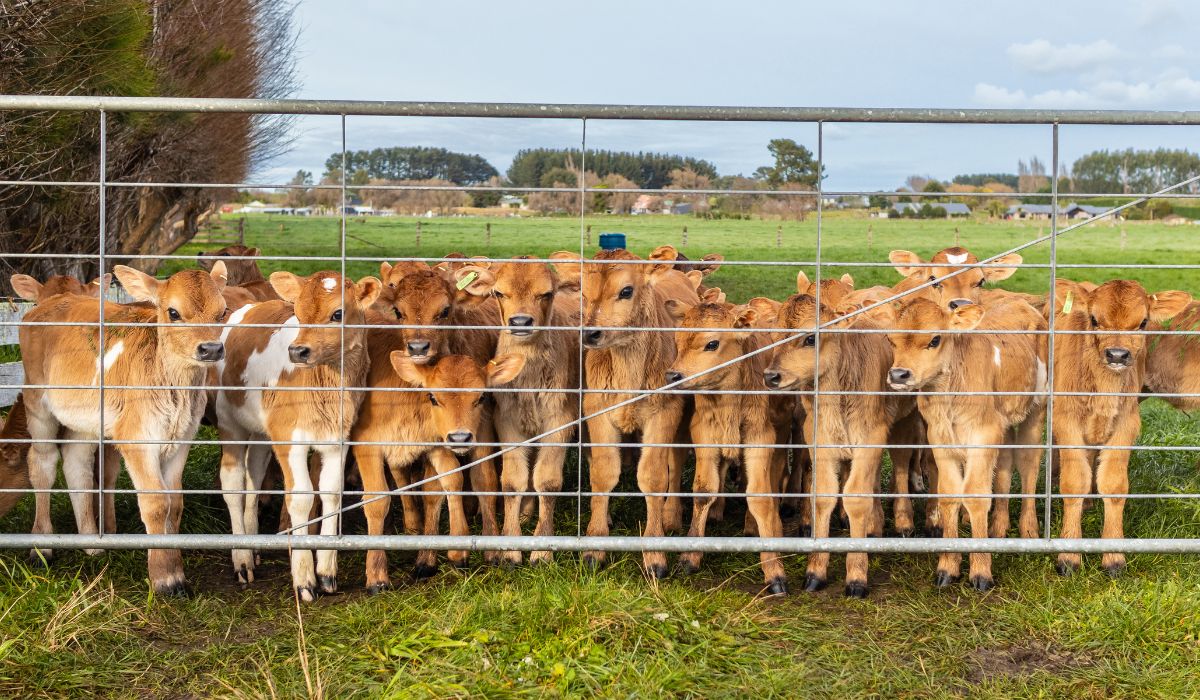
Calves are cute. They’re also difficult to move, most yards are not built for calves, and training them onto scales is a job in its own. Which is easier? Taking the calf to the scales or the scales to the calf? Neither have been great options in the past. Then the transition from pen to paddock poses another game of best strategy and patience.
If you’re raising calves — whether you’re a specialist calf rearer taking in dairy calves by the hundreds, or a dairy farmer managing your own replacements — you already know the challenge: getting accurate weights on young calves is hard, time-consuming, and often just doesn’t happen.
But here’s the thing: the first few months of a calf’s life set the trajectory for its entire productive lifetime. Miss the growth targets early, and you’re playing catch-up for the next 18 months — if you can catch up at all.
So how do you balance the need for regular weight data with the reality of limited time, back-breaking lifting, and calves that won’t cooperate?
Let’s talk about it.
The Challenge: Calves Are Difficult to Weigh
Why most calves never see a scale:
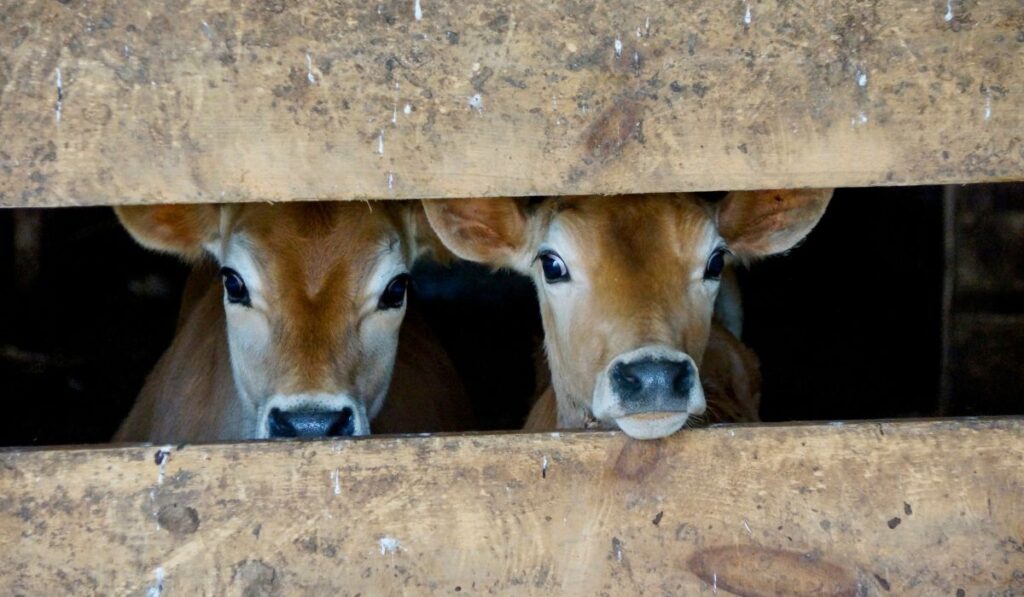
- Calves don’t walk nicely into yards — they’re small, skittish, and difficult to move through handling facilities designed for adult cattle.
- Portable wheely scales cost $3k+ — and even then, you still need to physically manoeuvre the scales to the pens and the calf into the weighing crate, which is back-breaking and time-consuming. Then it sits unused for most of the year because it suits only calves under 6 weeks.
- Newborn calves require lifting — some people use a handling cradle with a hanging fish-scale setup, but newborns are still heavy (25-45kg), they wriggle, and it’s a two-person job because the cradle swings and the scale won’t stabilise easily.
- Weigh bands are wildly inaccurate — their inaccuracy is widely known, and not every calf stands still for a weighband when they are out on grass around the calfeteria.
The result? A lot of hopeful guessing.
Why Weight Matters
Minimum target weaning weights:
- Friesian calves: 90kg
- Friesian x Jersey crossbred: 80kg
- Jersey calves: 70kg
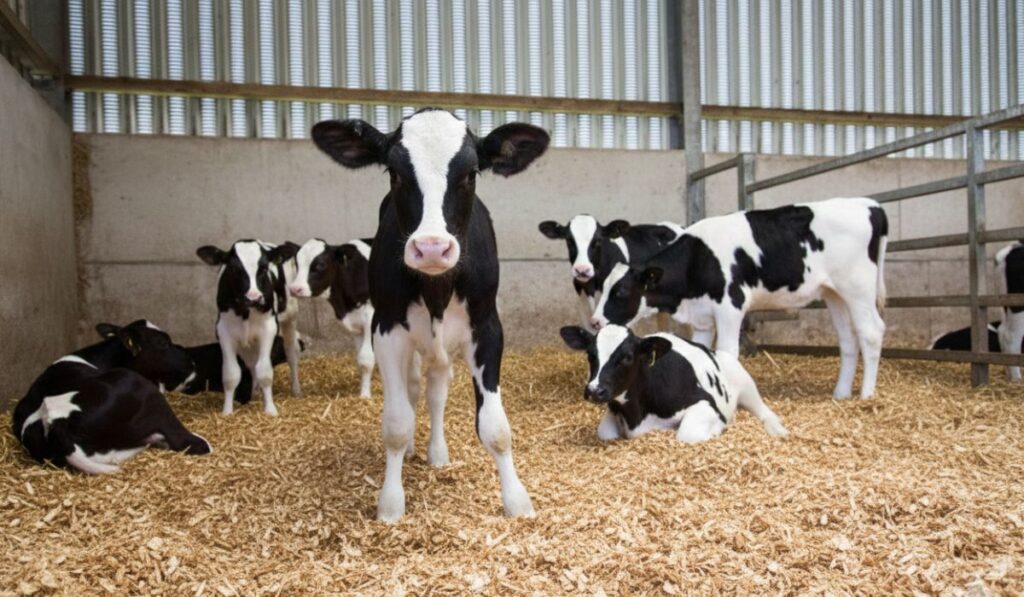
These aren’t arbitrary numbers. Research shows that heifers need to reach 30% of their mature liveweight by 6 months (weaning) to stay on track for mating at 15 months and calving at 24 months.
What happens when calves miss these targets:
- Delayed puberty — heifers that are underweight at 6 months are less likely to reach puberty by 12 months.
- Lower mating success — every 10% shortfall in liveweight at 15 months reduces 6-week in-calf rates by ~5% and increases empty rates by 1.5%.
- Reduced lifetime production — a 10% increase in target liveweight at first calving contributes an extra 20kg milksolids in the first lactation.
- Earlier culling — 92% of heifers calve at 2 years, but only 76% make it to 3 years, and just 61% to 4 years. Poor early growth is a major driver of premature culling.
The LIC study wake-up call:
A 2012 LIC study found that 53% of heifers were more than 5% below their 6-month weight target. That’s more than half the national heifer crop starting behind the eight-ball.
The Biggest Risks in Early Rearing
1. Dose Rates — The Most Commonly Overdosed Age Group
Calves at first drench (typically 12-16 weeks) are probably the most commonly overdosed age group in livestock management.
Why? Because most people guess the weight, safety margins are lower, and often round up “to be safe” or “to suit the biggest in the mob,” and can accidentally give a 70kg calf a dose meant for an 150kg animal.
The consequences:
- Overdosing wastes money — drenches aren’t cheap, and you’re literally pouring product down the drain.
- Overdosing can cause toxicity — especially with products like copper or selenium where the margin between therapeutic and toxic doses is narrow.
- Underdosing (when you guess low) leads to treatment failure — and contributes to drench resistance, which is a growing problem across NZ.
Accurate weights mean accurate dosing. It’s that simple.
2. Mob Competition — Small Calves Get Left Behind
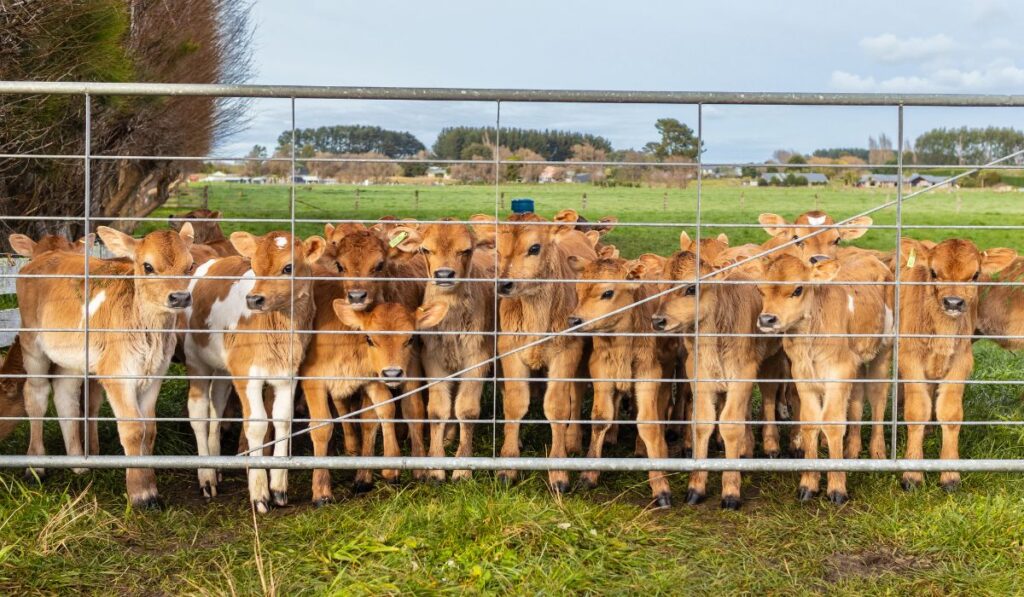
In any group of calves, there’s variation in size. The smallest calves in a mob get pushed off feed, struggle to compete, and fall further behind.
Shifting calves into size-aligned mobs can make a huge difference. But you can’t do that if you don’t know which calves are lagging.
Regular weighing lets you identify the stragglers early and regroup them with calves of similar size, giving them a fighting chance to catch up.
3. Birthweights — A Stat Most Farms Never Know
Birthweight is a fascinating piece of data that most don’t capture. Why? Because of the impracticalities of traditional weighing options.
But birthweight can tell you:
- Which calving ease traits are working (lighter calves = easier calvings, but too light might indicate poor dam nutrition)
- Which calves might need extra attention (very light or very heavy birthweights can flag health risks)
- Baseline data for tracking growth rates — if you know the starting point, you can calculate daily liveweight gain (DLWG) accurately.
For breeding beef operations where calves are left on their mothers, birthweight data is gold. Newborn calves (<24 hours old) don’t move far from where they were born, which makes paddock weighing feasible if you have a tool that works without yarding.
What “Good” Calf Rearing Looks Like (And What It Takes)
DairyNZ and industry targets:
| Age | Target % of Mature Weight | Friesian (500kg mature) | Jersey (350kg mature) |
| Weaning (6mo) | 30% | 150kg | 105kg |
| Mating (15mo) | 60% | 300kg | 210kg |
| Pre-calving (22mo) | 90% | 450kg | 315kg |
To hit these targets, calves need to grow steadily:
- Birth to weaning (6 months): 0.6-0.7kg/day average daily gain
- Weaning to mating (9 months): 0.7-0.8kg/day
- Mating to calving (7 months): 0.7-0.8kg/day
The catch: You can’t manage what you don’t measure.
If you’re not weighing regularly, you have no idea if calves are on track until they’re already behind.
How Scanabull Changes the Game for Calf Rearers
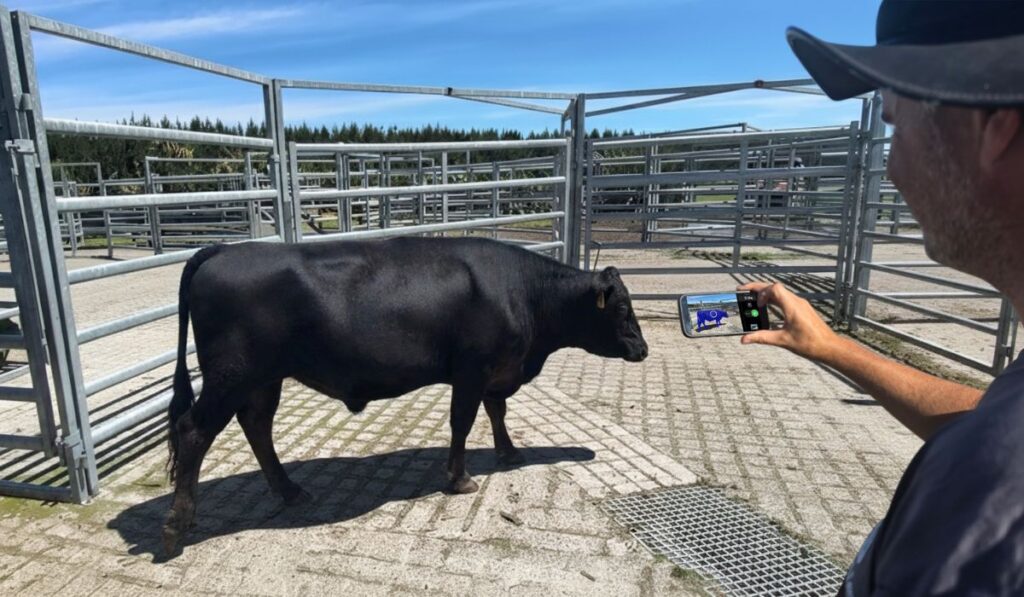
The WeighApp is built for the reality of calf rearing:
- No lifting, no crates, no wrestling — scan the calf with an iPhone Pro camera, in the pen, in seconds.
- No infrastructure required — works in calf sheds, paddocks, race, yards, anywhere you can be within four metres of the calf.
- Accurate enough to make decisions — targeting the same 95% accuracy benchmark as traditional scales, but without the handling.
- Track individuals or mobs — weigh individual calves for mob sorting, or scan a group to check average growth rates.
Practical use cases:
For specialist calf rearers:
- Weigh calves on arrival (no lifting into crates)
- Track growth rates weekly or fortnightly to identify slow-growers
- Weigh at weaning to confirm readiness (no guessing, no weigh bands)
- Provide accurate weight data to clients when calves go back or to the next farm
- Calculate accurate drench doses without overdosing or underdosing
For dairy farmers raising their own replacements:
- Weigh newborns in the paddock or as they come in
- Regular pen checks become weight checks (scan while feeding or observing)
- Sort calves into size-aligned mobs based on actual data
- Track growth against DairyNZ targets
- Accurate dosing for drenches and mineral supplements
For beef breeders:
- Capture birthweights in the paddock before they find their legs
- Weigh the dams close to their calves at birth/tagging
- Track cow performance by calf growth (which cows are raising the best calves?)
- Identify calves that need intervention early
The ROI of Getting Calf Rearing Right
The maths on a 300-cow dairy farm with 75 replacement heifers:
Scenario 1: Traditional approach (weigh once at weaning, hope for the best)
- 53% of heifers miss their 6-month weight target (LIC data)
- ~40 heifers are starting behind
- Those heifers produce 20kg less milksolids in first lactation (conservative estimate)
- At $9.50/kgMS, that’s $190 lost per heifer in first lactation alone
- Total loss: 40 heifers × $190 = $7,600 in year one
- Higher cull rates (24% don’t make it to third lactation) add thousands more in replacement costs
Scenario 2: Scanabull approach (weigh regularly, hit targets)
- Regular weighing lets you identify and fix slow-growers early
- Even a 25% improvement in hitting targets means 10 more heifers on track
- Those 10 heifers produce an extra 200kg milksolids in first lactation
- Value: 10 heifers × $190 = $1,900 in year one
- Improved retention (fewer culls) saves thousands more over the herd’s lifetime
And that’s just the heifers. For specialist calf rearers, delivering calves back to clients at the correct weight — with data to prove it — builds reputation, justifies pricing, and wins repeat business.
The Dose Rate Problem (And Why It’s Costing You More Than You Think)
Using a real example:
Product: Common oral drench for calves
Dose rate: 1mL per 10kg liveweight
Cost: $0.50/mL
Scenario A: Guessing weight (common practice)
Calf is actually 90kg, but you dose the mob for 150kg “to suit the biggest” or “to be safe.”
- Dose given: 15mL (based on 150kg estimate)
- Dose needed: 9mL (based on actual 90kg weight)
- Wasted product: 6mL per calf
- Wasted cost: $3.00 per calf
For a calf rearer drenching 500 calves: $1,500 wasted in one drench run.
For 3 drench cycles in the first year: $4,500 wasted.
Scenario B: Accurate weight (Scanabull)
- Dose given: 9mL (based on actual 90kg weight)
- Dose needed: 9mL
- Wasted product: $0
- Wasted cost: $0
Over time, that’s real money — and that’s before we even talk about the risk of resistance from chronic underdosing or toxicity from chronic overdosing.
The Bottom Line
Calves are the future of your herd or your client’s herd, and the first few months set the trajectory for their entire productive life.
But weighing calves is hard. Traditional scales require lifting, wrestling, infrastructure, and time that most people don’t have.
Scanabull gives you a way to track calf growth without the back-breaking hassle — so you can hit weight targets, dose accurately, sort mobs intelligently, and deliver better outcomes for the calves and the bottom line.
If that sounds like something that could change how you manage calves, we’d love to hear from you.
Keen to learn more?
Get in touch: weighin@scanabull.com
Scanabull — Low-stress weighing. Real-time data. Built for the NZ livestock industry.