How easier on-farm weighing unlocks faster genetic improvement in NZ livestock
The Problem
Liveweight is a cornerstone trait in both dairy Breeding Worth (BW) and beef genetic evaluations. It accounts for roughly 25% of the economic value in dairy BW calculations and is critical for feed efficiency predictions.
Yet it’s one of the most under-recorded traits on NZ farms.
Liveweight is under-recorded relative to its economic importance in breeding indexes. The barrier isn’t farmer interest — it’s infrastructure and labour. Scales are expensive, require infrastructure upgrades, yarding, time, and calibration. Result: liveweight data remains patchy.
Why This Matters for Genetic Gain
Contemporary Groups Need Complete Data
Breeding values rely on contemporary group analysis — comparing animals raised under similar conditions to isolate genetic differences from environmental variation.
When 60-70% of cows in a herd aren’t weighed:
- Smaller sample sizes reduce statistical power
- Lower reliability BV estimates result
- Genetic gain slows
Example: A bull with 200 daughters but only 80 with recorded liveweights will have lower BV reliability than a bull with 200 daughters all weighed. Lower reliability = less farmer confidence = slower uptake of superior genetics.
Genomic Selection Depends on Phenotype Data
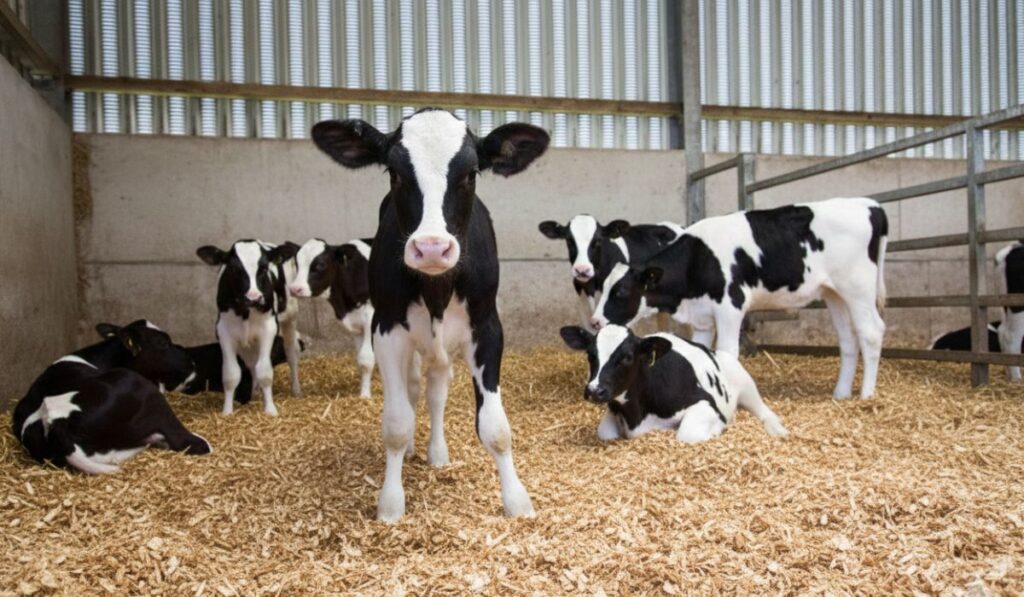
NZAEL estimates genomic selection could increase genetic gain by 50% with high uptake — shifting from $10/year BW gain to $15/year. Over 10 years, that’s $1.36 billion to the NZ dairy industry.
But genomic predictions are calibrated against phenotype data. More frequent, accurate liveweight recording = better genomic calibration = faster genetic gain.
Liveweight is 25% of that equation. And right now, it’s under-recorded and holding back the rate of improvement NZ could achieve.
What Changes With Easier Weighing
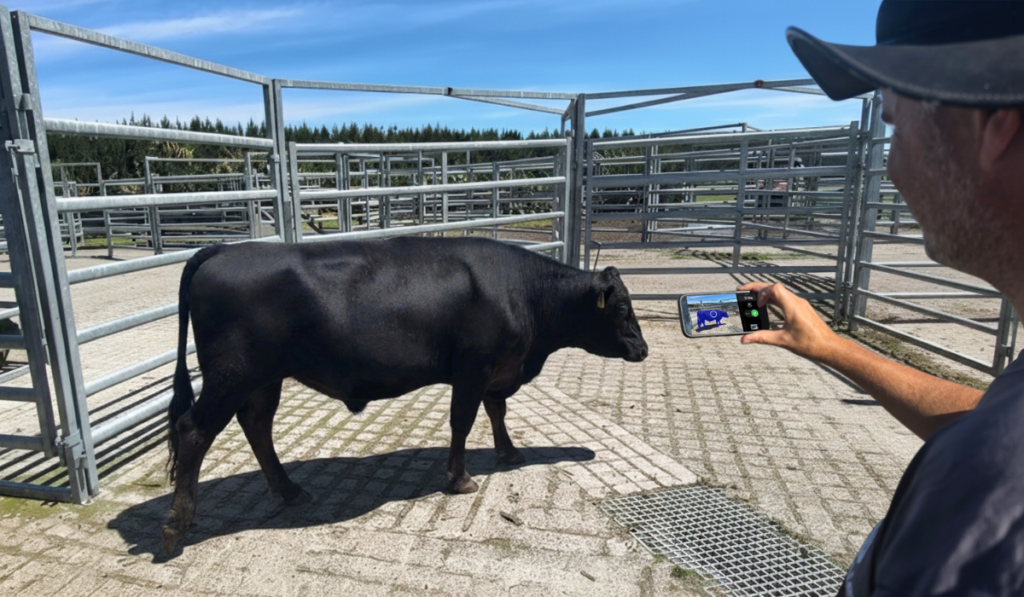
Herd testing provides comprehensive milk production data that drives genetic evaluation despite requiring significant time and cost investment. Liveweight could achieve similar data coverage if the practical barriers were removed.
Current state:
- Liveweight recording is patchy and infrequent
- Recording happens opportunistically (weaning, trading, yarding for other reasons)
- Small contemporary groups, lower reliability
Future state (with accessible weighing technology):
- Regular, systematic liveweight recording becomes practical
- Recording frequency: 6+ times per year with WeighApp (iPhone), up to weekly with in-field WeighPoint (automated camera)
- Larger contemporary groups, improved reliability
Impact:
- Higher reliability BVs (more progeny with recorded weights)
- Better genomic calibration (larger reference populations)
- Faster genetic gain (farmers more confident in liveweight BVs)
- Strengthened pastoral genetics (better data enables sophisticated trait evaluation)
The Feed Efficiency Equation
Liveweight isn’t just about size. It’s the denominator in the most important efficiency metric: output per unit of input.
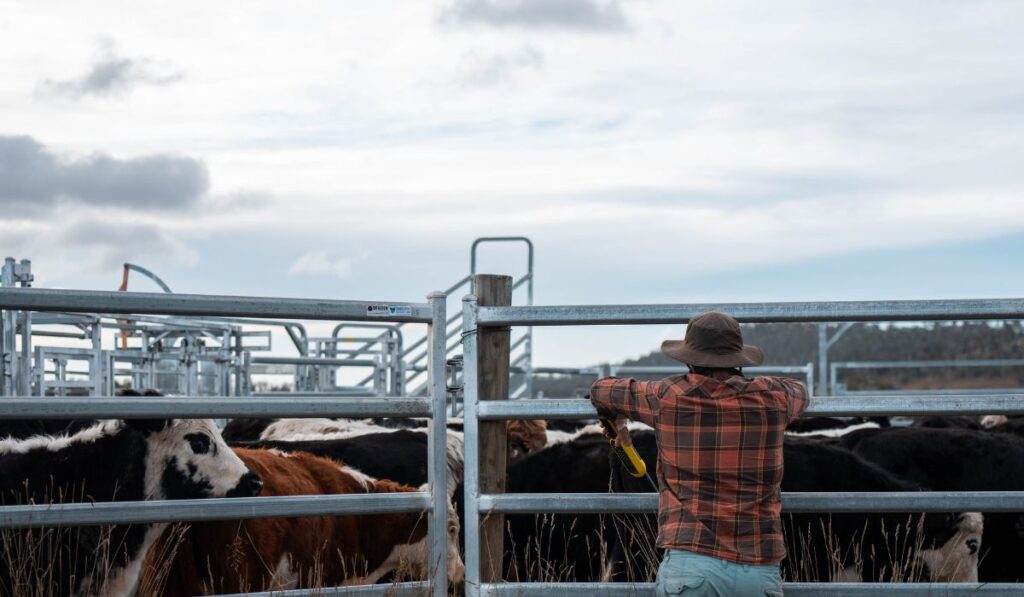
For beef: Liveweight gain per kg of feed
For dairy: Milk solids per kg liveweight
NZ’s competitive advantage is pasture-based, low-cost production. Feed efficiency drives profitability in pasture systems — whether producing milk or meat.
If liveweight data is incomplete, feed efficiency predictions are incomplete.
What Genetics Companies Stand to Gain
1. Improved product accuracy
Higher-reliability BVs = more confident farmer purchasing decisions = faster uptake of superior genetics.
2. Faster proof turnaround
Bulls with more progeny liveweight data reach high-reliability BVs faster. Shorter generation intervals = competitive advantage.
3. Better genomic reference populations
More phenotype data = improved genomic predictions = ability to market genomic young sires with confidence.
4. Traceability and verification
Weight-stamped photographic records provide visual proof of phenotype data. Each weight includes time/date stamp and cattle image — creating verifiable, traceable records that strengthen data integrity for genetic evaluations.
5. Support for NZ pastoral genetics reputation
NZ genetics are uniquely suited to pastoral, seasonal calving systems — comprehensive trait recording strengthens this reputation.
6. Refined breeding objectives
As industry trends toward fewer, more efficient cows (dairy) or faster-finishing cattle (beef), accurate liveweight BVs support these objectives.
Applications for Genetics Companies
Progeny testing programmes:
Equip test herds with easy weighing → increase recording frequency from opportunistic to systematic (6+ times/year with WeighApp, weekly with WeighPoint) → achieve higher-reliability BVs faster, with photographic records.
On-farm recording partnerships:
Partner with recording companies (LIC, CRV, etc.) to integrate weight data into herd testing workflows.
Genomic reference population building:
Use easy weighing to expand phenotype databases and improve genomic prediction calibration.
Breeding programme support:
Use more frequent liveweight data to refine breeding objectives and develop feed efficiency traits.
Research and development:
Explore new traits (growth curves, seasonal variation) with comprehensive liveweight datasets.
The Bottom Line
Genetic gain is a compounding investment. Every year of faster improvement builds on the previous year. Over 10 years, a 50% increase in the rate of gain is worth over $1 billion to the NZ dairy industry.
Liveweight is 25% of that equation. The technology to close the data gap now exists.
About Scanabull
Scanabull is a 3D vision-based cattle weighing system built for NZ livestock industries. Using an iPhone Pro camera, farmers and livestock professionals can capture individual or mob-average weights in seconds — no crush required, can be done in any yard, any age without expensive infrastructure.
For more information:
www.scanabull.com | weighin@scanabull.com