Clinical Applications and Advisory Services for NZ Livestock Vets
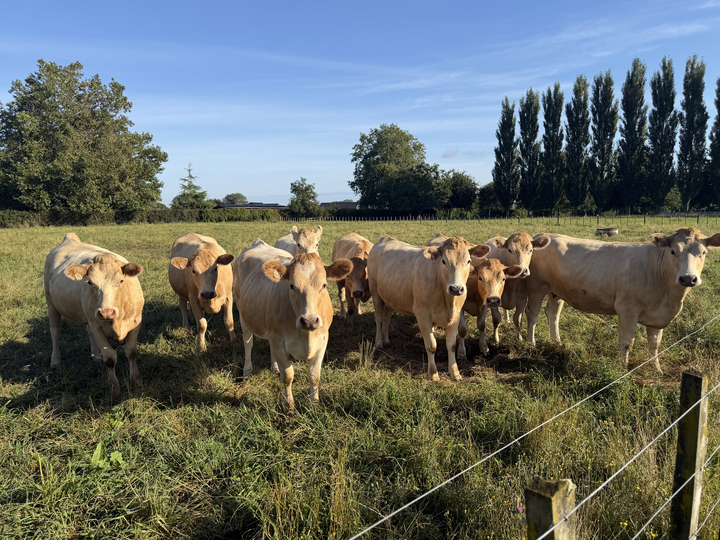
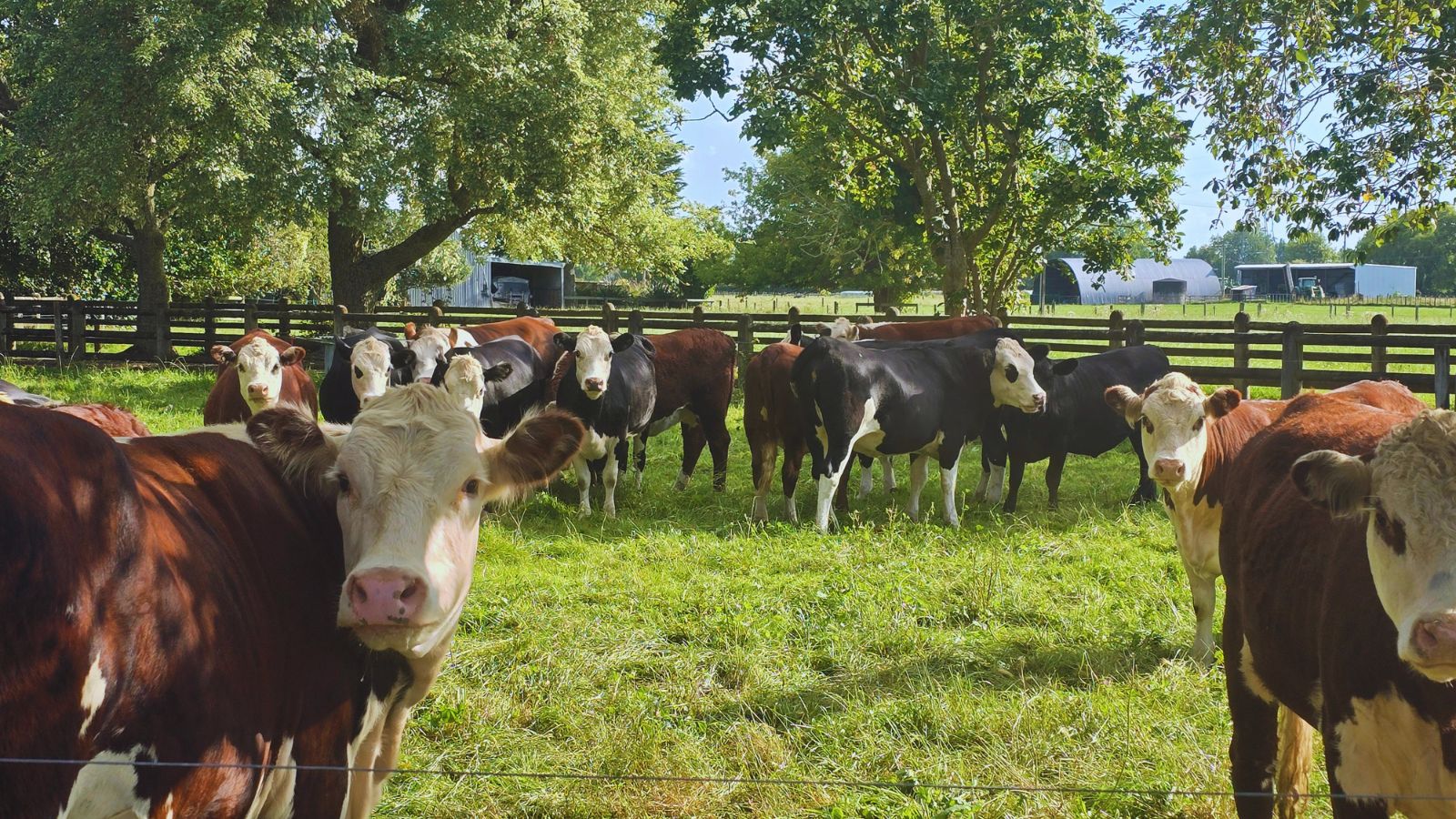
Rural vets operate in a space between clinical expertise and client relationships. On-farm consultations frequently include the question: “How do they look?”
Sometimes not great. The farmer thinks the cattle look fine. The vet sees underweight animals, growth targets being missed, or body condition issues. Without objective data, these conversations can create friction. Anecdotal assessments don’t carry the weight needed to drive management changes.
Add to this the challenge of accurate dosing — particularly for mob treatments or less experienced vets working with unfamiliar stock classes — and the case for objective weight data becomes clear.
Current Challenges for Vets on Farm
“How do they look?” — The Subjective Assessment Problem
Without objective measurements, the conversation stalls. The vet knows there’s a problem, but proving it requires either yarding cattle for weighing (time-consuming, often impractical) or relying on visual estimates that the farmer may not want to hear, creating some friction.
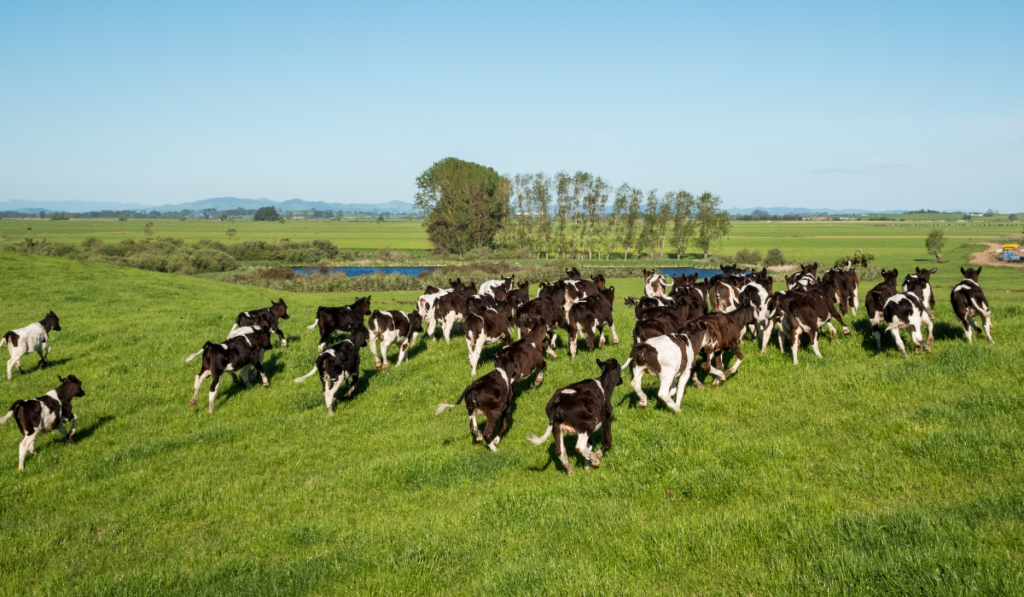
Result: Management issues persist. Growth rates remain below target. Problems compound.
Dose Rate Accuracy
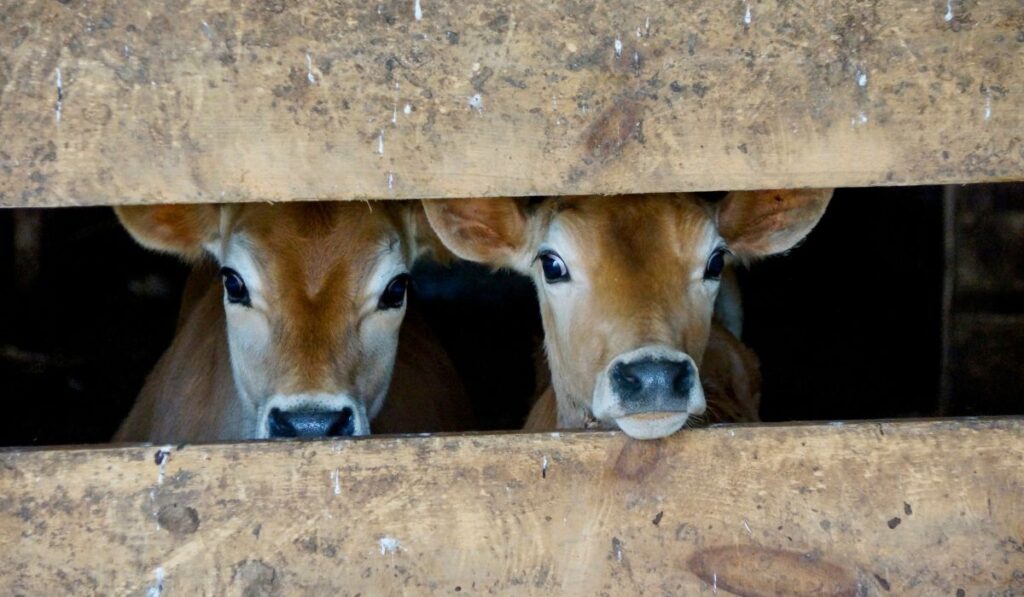
For mob treatments: Often clinics are selling boluses or drench over the counter from guesstimate weights. Estimates can easily be 20% out, leading to significant under-dosing (reduced efficacy, resistance risk) or over-dosing (wasted product, potential toxicity).
For individual treatments: A good eye for weight requires regular calibration — most vets just don’t have the time to be calibrating their eye for stock weights.
Current approach: Visual estimation, the occasional weigh band, or asking the farmer (“about 400kg?” when the animal is actually 350kg or 450kg).
Advisory Services and Premium Offerings
Many rural vets have expanded beyond clinical work into advisory services:
- Heifer growth monitoring programmes
- Contract grazing oversight for clients
- Herd performance consulting
- Breeding and genetics advice
Clients increasingly expect data-backed recommendations. Vets who provide weight-tracking, growth curves, and target comparisons can command premium fees for advisory work.
How Scanabull Works for Veterinary Practice
The WeighApp runs on iPhone Pro. Vets scan cattle in the pen, yard, or paddock within 5 metres — no crush required. Individual or mob-average weights are captured in seconds.
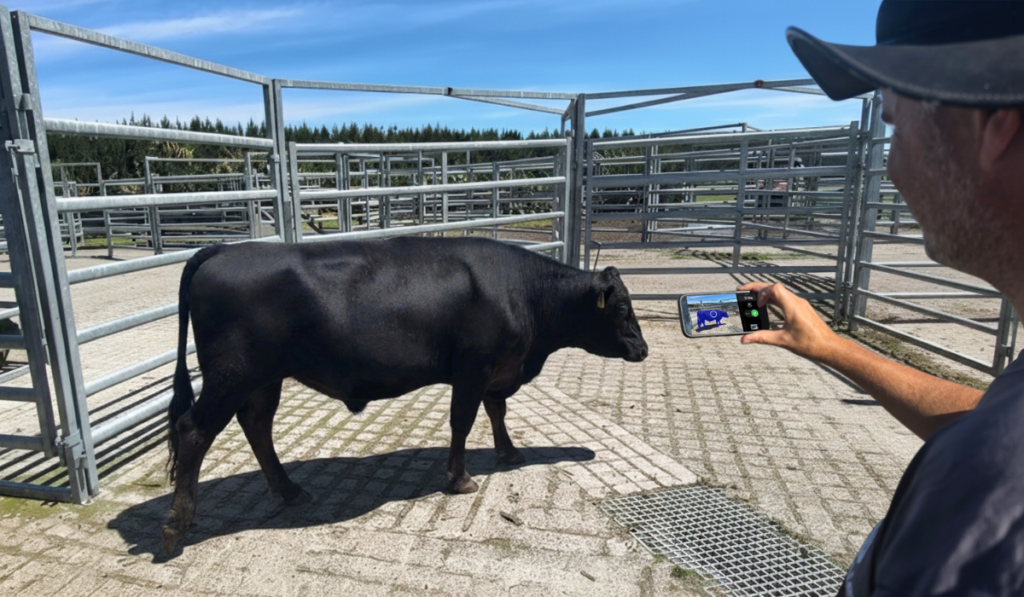
Each scan creates a time-stamped, weight-stamped photographic record that can be shared with clients or kept for clinical records.
Accuracy: Targets the same 95% benchmark as crush scales.
Practical on-farm: Works in typical farm conditions without infrastructure or client cooperation beyond normal stock handling.
Clinical Applications
Accurate Dose Rate Calculations
Individual animals:
- Scan before administering treatment (anaesthetic, drench, antibiotics, anti-inflammatories)
- Eliminate guesswork on bodyweight-dependent doses
- Particularly valuable for new vets, unfamiliar stock classes, costly drugs, or high-value animals
Mob treatments:
- Scan representative sample (10-15 head) to calculate accurate mob average
- Reduce product waste and toxicity risk from over-dosing
- Improve efficacy and reduce resistance risk from under-dosing
- Photo-stamped records document treatment weights for compliance and records
Body Condition and Growth Monitoring
On routine farm visits:
- Weigh heifers, calves, or other stock during general health checks
- Compare against industry targets (e.g., 6-month, 15-month heifer weights)
- Provide objective feedback to farmers: “These heifers are tracking towards 280kg at 15 months; they should be 320kg+ for optimal first-lactation performance. There’s time to fix it.”
Photo-stamped records provide visual evidence: Farmers can see the date, weight, and cattle condition in a single record. This removes the “he said/she said” dynamic and shifts the conversation to solutions.
Follow-up visits: Track weight changes over time. Growth curves built from regular weighing show whether interventions (feed adjustments, parasite control, health treatments) are working.
Calf and Heifer Growth Targets
Many vets advise dairy farmers on replacement heifer management. Target weights are well-established:
- 6 months: 140-160kg (depending on breed)
- 15 months: 320-340kg
- Pre-mating: 340-360kg (85-90% of mature weight)
Without weighing, these targets are aspirational. Farmers guess. Many heifers miss targets and enter the herd underweight, reducing first-lactation production and increasing culling risk.
With objective weighing: Vets can identify underperforming heifers during routine visits, recommend interventions (increased feed, parasite control, health checks), and demonstrate value through measurable outcomes.
Clinical value: Early intervention on underweight heifers improves lifetime productivity. Vets who provide this service strengthen client relationships and create recurring advisory revenue.
Heifer Grazing and Monitoring Services
Some rural vet practices operate contract grazing or heifer rearing as a complementary business. Others partner with grazing operations to provide veterinary oversight.
For these practices, Scanabull provides the same benefits as for dedicated graziers:
Weigh-on/Weigh-off Verification
- Objective liveweight at arrival and departure
- Photo-stamped proof eliminates disputes over starting weights
- Clients receive visual records showing cattle condition and weight at both ends
Mid-Contract Progress Checks
- Regular weighing — monthly with WeighApp or daily with WeighPoint
- Identify underperformers early (illness, parasites, feed issues)
- Identification of absent animals with WeighPoint
- Adjust management before missing targets
- Provide clients with progress updates backed by data
- Compare performance against contracted targets (e.g., 0.7kg/day for dairy heifers)
Premium Service Differentiation
- Data-backed performance reporting sets vet-operated grazing services apart
- Weight-stamped records demonstrate accountability
- Clients pay premium rates for verifiable results
- Reduced disputes, higher client retention, additional revenue
ROI for Vet Practices Offering Grazing
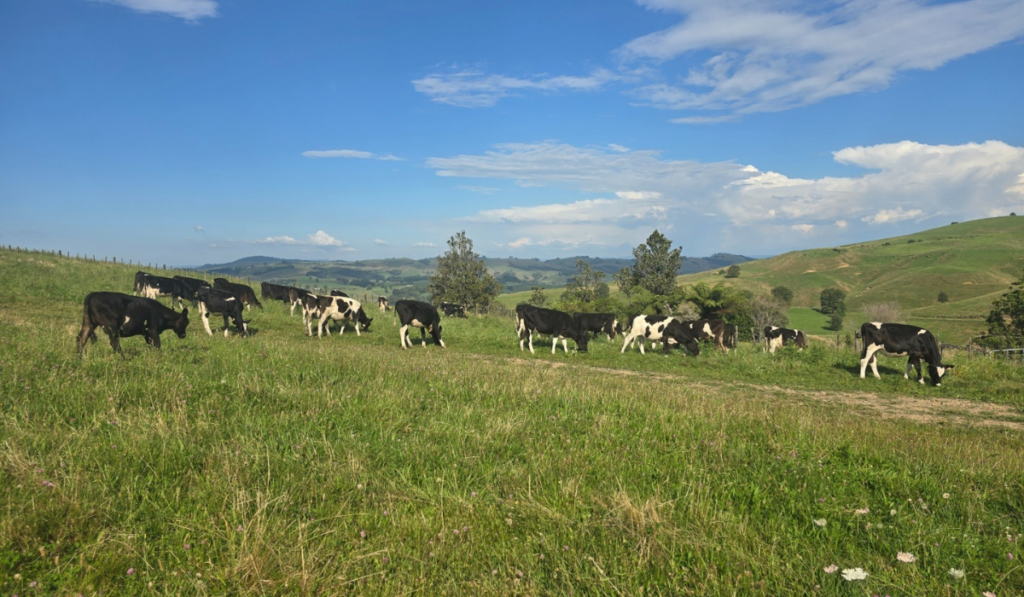
NZ heifer grazing rates typically range from $10-$17/head/week depending on region and services included. After paying the grower farmer, a vet practice managing the grazing relationship might retain $2-4/head/week margin.
Conservative example (100 heifers, 15-month contract = 65 weeks):
- Low end: 100 head × $2/week × 65 weeks = $13,000 margin per client
- High end: 100 head × $4/week × 65 weeks = $26,000 margin per client
Retaining 2-3 additional grazing clients through data-backed service:
- Low end: 2 clients × $13,000 = $26,000 additional annual margin
- High end: 3 clients × $26,000 = $78,000 additional annual margin
Objective weight data and photographic records reduce disputes, demonstrate performance, and justify premium positioning — directly supporting client retention and new client acquisition.
Clinical Records and Compliance
Weight-stamped photographic records integrate with clinical record-keeping:
- Treatment records: Document animal weight at time of treatment (bodyweight-dependent doses)
- Compliance: Photo-stamped proof of animal ID, weight, and date for regulatory or client requirements
Value Proposition Summary
Clinical work: Accurate dose rate calculations for mob and individual treatments. Objective data for body condition and growth assessments. Reduced product waste, improved treatment efficacy, lower resistance risk.
Advisory services: Heifer growth monitoring programmes backed by data. Client conversations shift from friction to solutions. Recurring revenue from premium services clients can see the value of.
Grazing and monitoring: Weigh-on/weigh-off verification, mid-contract tracking, and daily animal monitoring (WeighPoint) — with the photographic records and client reporting to match. $26,000-$78,000 in additional annual margin from retaining 2-3 grazing clients.
The core value: A vet who can scan a mob in minutes, pull up growth curves against industry targets, and hand a farmer a weight-stamped photo record doesn’t need to skirt around how the cattle look. Easy data, supporting trusted relationships.
For more information: www.scanabull.com | weighin@scanabull.com
Scanabull — Low-stress weighing. Real-time visual data. Built for NZ livestock industries.